 Pittsburgh Steelers
· 2026-07-09
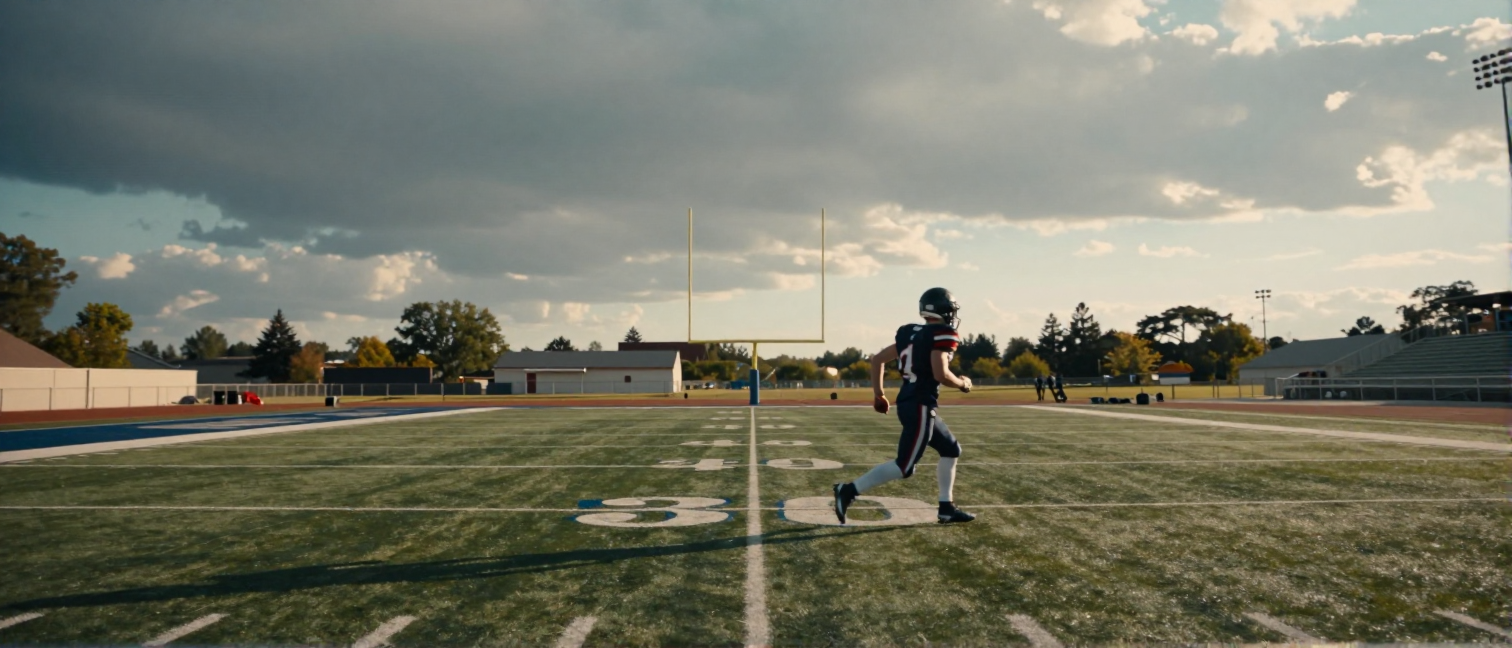
Pittsburgh Steelers entered the 2026 season with a roster built for immediate contention, yet the three‑year‑old interior offensive line—Spencer Anderson, Zach Frazier and Mason McCormick—poses the biggest obstacle to a Super Bowl run. The Steelers sit 16th in the NFC with a 3‑14 record and a nine‑game losing streak, underscoring how fragile their offense can be when interior pressure mounts.
The interior line’s lack of veteran continuity forces the unit to rely on communication that only seasoned players develop over years. Frazier, praised as a foundational center, still needs to master blitz reads, while McCormick brings raw toughness but limited snap‑count experience. Anderson’s steady development is promising, yet none have faced the sustained interior rushes typical of AFC powerhouses. This inexperience can collapse pocket integrity, forcing quarterback Aaron Rodgers into hurried throws.
Rodgers thrives when the pocket holds, allowing him to dissect defenses with his pre‑snap intelligence. Interior pressure, however, shoves him off his platform before routes develop, especially on the deep concepts designed for Michael Pittman Jr. and DK Metcalf. When the line falters, the timing between Pittman’s intermediate routes and Metcalf’s vertical streaks erodes, limiting the Steelers’ most physically imposing duo.
General manager Omar Khan added Max Iheanachor, a rookie tackle, hoping to bolster the front seven, but the interior remained a developmental project. The team’s spring moves focused on skill positions—trading for Pittman Jr., signing Rico Dowdle, and adding veteran cornerbacks Jamel Dean and Asante Samuel Jr.—leaving the interior line largely untouched. The draft pick’s potential can’t replace the immediate need for seasoned guard‑center chemistry.
The Steelers open their next game against the Atlanta Falcons on 2026‑09‑13, a matchup that will test the interior line’s ability to protect Rodgers against a Falcons rush that averages 4.8 yards per carry. A solid performance could buy the Steelers time to develop their young linemen; a collapse would likely extend the current losing streak and deepen doubts about their Super Bowl aspirations.
Coach Mike Tomlin can adjust play‑calling to emphasize quick releases and rollouts, reducing the time Rodgers spends in the pocket. Incorporating more shotgun snaps and screen passes may also shield the interior line’s deficiencies. Yet these tweaks only mask the problem; without a proven interior anchor, the Steelers risk continual pressure that stalls drives and stalls any chance at postseason success.